



 Make us preferred on Google
What Are Tokenized Assets?
Tokenized assets are digital representations of the ownership rights of an asset on a blockchain. These digital tokens can enable fractional ownership of high value assets and they can be sold, held, and traded.
Key Takeaways
- Tokenization transforms traditional assets like real estate, art, and commodities to digital tokens. These can be split into a fraction of the assets, making it accessible to a wider range of investors.
- There are other kinds of tokenization, like digital asset tokenization which provides proof of ownership, and in-game asset tokenization, which allows unique in-game items that can be traded on open marketplaces.
- Tokenization offers TradFi institutions benefits like global accessibility and improved liquidity, improved transparency and security, and better cost savings, while opening up new revenue streams through fractionalized ownership.
- Some major TradFi institutions entering the tokenization space include Visa, DBS, and J.P. Morgan.
The financial world is undergoing a major shift, with asset tokenization emerging as a technology that opens doors for wider access to investment opportunities. By converting traditional assets like bonds, stocks, and real estate into digital tokens on a blockchain, tokenization makes it easier for everyday investors to participate in markets once reserved for large institutions. Tokenized assets are traded, settled, and managed with greater speed and security, available for transactions 24/7. Blockchain also reduces the need for intermediaries, handling ownership records directly on the network and cutting down time and costs, which makes financial transactions more efficient and accessible.
For banks and fintechs, tokenization means creating innovative products that enable fractional ownership, allowing investors to buy small portions of high-value assets, such as a fraction of a property or bond. This expansion of offerings helps improve liquidity and democratizes access to investments. With companies like Visa moving into tokenization, there’s a growing credibility in blockchain technology that supports mainstream crypto adoption. As more institutions adopt tokenization, they promote digital finance models that are more inclusive, empowering both institutional and retail investors in a more accessible financial ecosystem.
What Is Asset Tokenization in Crypto?
Tokenization transforms traditional assets such as real estate, art, pictures, or stocks, by making them digitally represented on a blockchain. This process turns ownership rights into digital tokens, enabling fractional ownership and facilitating easier trading.
Tokenization takes multiple forms:
-
Real-World Asset Tokenization: This process applies to real-world assets, like fiat money, real estate, art, and commodities, converting them into digital tokens. Each token represents a fraction of the asset, making it accessible to a broader range of investors who may not be able to invest in the whole asset. For instance, fiat currency can be tokenized into digital assets like USDT (Tether), which is pegged to the value of the US dollar and backed by their actual reserve, this enables quick, secure transfers on the blockchain, bypassing banks and intermediaries.
-
Digital Asset Tokenization: This applies to assets like digital art, intellectual property, and collectibles, which can be tokenized as NFTs (non-fungible tokens) on the blockchain. Each NFT represents a unique, authenticated version of the digital asset, preserving its value even if copies are made. This approach benefits creators by providing proof of ownership and enabling royalties each time the asset is resold, offering ongoing financial support and protecting their digital rights.
-
In-Game Asset Tokenization: Tokenization allows unique in-game items, like skins or collectibles, to be owned as NFTs. Previously limited to in-game use, these items can now be traded on open marketplaces, giving them real-world value and creating economic opportunities for players.
How Asset Tokenization Works
Imagine a house valued at $1 million. Tokenization divides ownership of this property into, say, 10,000 tokens, each representing a 0.01% stake in the property. Investors can buy tokens to own part of the property without purchasing the entire asset. This fractional ownership model democratizes access to high-value assets, enabling more people to diversify portfolios and invest in markets like real estate.
Tokenization also streamlines traditionally complex processes. Real estate transactions, for example, typically involve multiple intermediaries like agents, lawyers, and banks, which can extend transaction times and increase costs. With tokenization, transactions can be completed almost instantly on a blockchain, with smart contracts automating necessary steps. This enhanced liquidity not only makes transactions faster and more cost-effective but also opens new investment avenues in traditionally illiquid markets like real estate.
Why TradFi Financial Giants are Entering Tokenization
Tokenization is not just a tech buzzword; it’s a solution to some long-standing inefficiencies in traditional finance. Traditional asset transfers, whether stocks, bonds, or real estate often require multiple intermediaries, involve hefty paperwork, and take days to settle.
Systems like SWIFT, (Society for Worldwide Interbank Financial Telecommunication), which is essential for cross-border payments, exemplify these challenges. SWIFT handles the communication for financial transactions involving multiple banks and intermediaries, resulting in delays, additional fees, and complex processing; what is worse is that if information is keyed incorrectly, it might lead to even more delays. This will also help banks in their operational efficiency by removing such bottlenecks for their clients.
Tokenization removes many of these bottlenecks by representing ownership digitally, reducing administrative costs, cutting settlement times to minutes, and improving overall efficiency.
-
Global Accessibility and Liquidity: Tokenization allows financial assets to be traded on a global scale, 24/7.This provides greater liquidity, enabling assets like bonds, which typically have long settlement periods, to be instantly traded or borrowed against.
-
Improved Transparency and Security: Blockchain technology ensures that every transaction is recorded immutably, making it easier to track asset ownership and reducing the risk of fraud. For financial institutions, this transparency provides greater trust among investors and regulators alike.
-
Better Cost Savings: Eliminating intermediaries like brokers and clearinghouses means banks and fintech companies can drastically reduce transaction fees, making their services more attractive to clients. According to a report from Zoniqx, asset tokenization can be 35% to 65% less expensive than standard securitization due to the reduction of administrative overhead and middlemen.
-
New Revenue Streams: Tokenization opens up opportunities for banks to offer innovative financial products, such as fractionalized ownership of high-value assets, which were previously out of reach for smaller investors.
Major institutions like Visa, DBS, and J.P. Morgan are already seeing their huge ecosystems benefit and are leveraging tokenization to offer more accessible investments, streamline everyday transactions, and bring greater transparency to the financial system. This is no longer a trend but a movement and initiative that institutes are scaling into that will affect everybody as it scales.
Giants Moving Into Tokenization
Now, let's look at some of these financial giants entering the tokenization space.
1. Visa
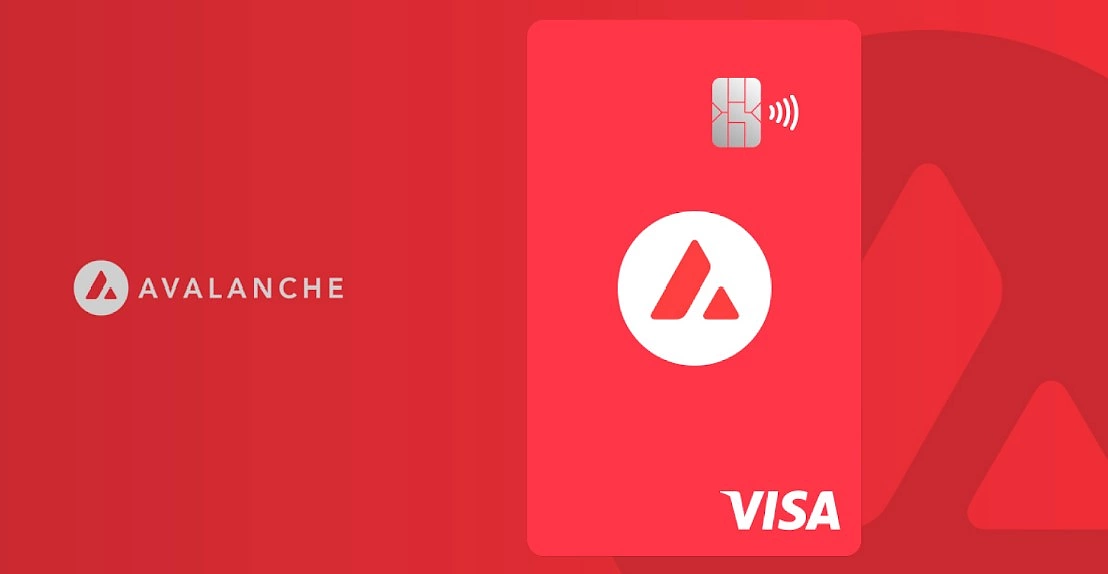
Everyone knows Visa, right? It's the global payment giant you see everywhere, from your local coffee shop to international retailers. Visa operates in over 200 countries, enabling seamless card payments no matter where you are. With Visa’s recent move into tokenization through a partnership with Avalanche, you could soon have crypto in your wallet avoiding expensive foreign transaction fees when shopping in different currencies. Previously, if you used your card abroad or made purchases in a foreign currency, you'd face conversion and foreign exchange fees ranging between 1% to 3%.
To illustrate this vision, Visa is bridging traditional finance and the crypto space through tokenization, a process that converts sensitive payment data into digital tokens. This initiative is exemplified by the Avalanche Visa Card, which allows users to spend cryptocurrencies like Wrapped AVAX and USD Coin (USDC) at any location that accepts Visa. Avalanche is known for its speed and scalability, processing over 4,500 transactions per second (TPS), making it one of the fastest networks available. Its architecture ensures low transaction costs, aligning perfectly with Visa’s goal of providing seamless crypto payments.
One of the standout features of the Avalanche Visa Card is that there are no spending fees on the card, but a full list of card fees and services is available through the card’s terms and conditions. The card links to a self-custody wallet, giving users full control over their digital assets while ensuring instant conversion from crypto to fiat at the point of sale. Imagine paying for a meal, buying a new gadget, or booking a flight abroad using your crypto balance – all instantly converted to local currency with zero fees.
Additionally, Visa's Tokenized Asset Platform (VTAP) that started in Oct 2024 represents another significant step toward integrating digital assets into traditional finance. Launched in partnership with BBVA (the second biggest bank in Spain), VTAP enables financial institutions to create and manage digital tokens backed by fiat currencies such as the Euro and Dollar. BBVA is one of the first banks to utilize VTAP, with plans for live pilots expected in 2025. This collaboration highlights Visa's commitment to exploring blockchain technology and expanding financial solutions.
As Visa continues to innovate with initiatives like the Avalanche Visa Card and its collaboration with Crypto.com, along with its work on VTAP with BBVA, it is clear that the future of payments is evolving.
2. DBS Bank
Singapore’s largest bank is advancing its blockchain capabilities with two major initiatives: DBS Token Services and the Treasury Tokens pilot. These projects, introduced in 2024, aim to integrate blockchain into banking to enhance institutional asset management, liquidity, and settlement efficiency.
DBS Token Services
Launched on October 18, 2024, DBS Token Services offers a blockchain-powered suite for institutional clients, featuring 24/7 real-time settlement. Built on a permissioned Ethereum-compatible blockchain, the service supports:
-
Treasury Tokens for intra-group, cross-currency transfers,
-
Conditional Payments using smart contracts to automate transactions,
-
Programmable Rewards that incentivize corporate sustainability efforts with ESG-focused digital vouchers.
For institutional clients, DBS Token Services offers faster, more efficient cross-currency and asset transfers, breaking the previous limitations and delays of clients facing standard banking hours and regional cut-off times; even public holidays are factors that can significantly delay processing times, potentially adding two or three days to the overall time.
With smart contracts, institutions can automate and streamline complex financial processes, increasing transparency and reducing operational costs without the current manual intervention to facilitate transfers. In the longer term, these benefits could make banking more efficient, benefiting end-users through lower fees, faster and more secure transactions.
Treasury Tokens Pilot
Launched earlier in August 2024 in partnership with Ant International (the fintech company behind Alipay), the Treasury Tokens pilot focuses on multi-currency liquidity management for large corporations. Through this collaboration, DBS enables clients to handle intra-group transactions across multiple regions with near-instant, real-time settlement, bypassing traditional banking hours thanks to the 24/7 availability of cryptocurrencies.
What This Means for Treasury Tokens
For clients like multinational corporations, the Treasury Tokens pilot brings substantial control over cross-border cash flow, enhancing liquidity and ensuring financial predictability. By using tokenized assets, DBS clients can perform multi-currency transfers instantly and more reliably than traditional systems allow. While the pilot phase is ongoing, success here could pave the way for similar solutions across other banks, making global transactions simpler and faster for consumers as well.For consumers, that means lower transaction cost and faster access to funds, enhancing the overall financial flexibility which can allow them to explore further financing as well and enabling quicker responses to evolving market opportunities. The involvement of Ant International also signals potential for future cross-platform integrations, which could bring similar efficiencies to broader payment and treasury functions.
3. J.P. Morgan
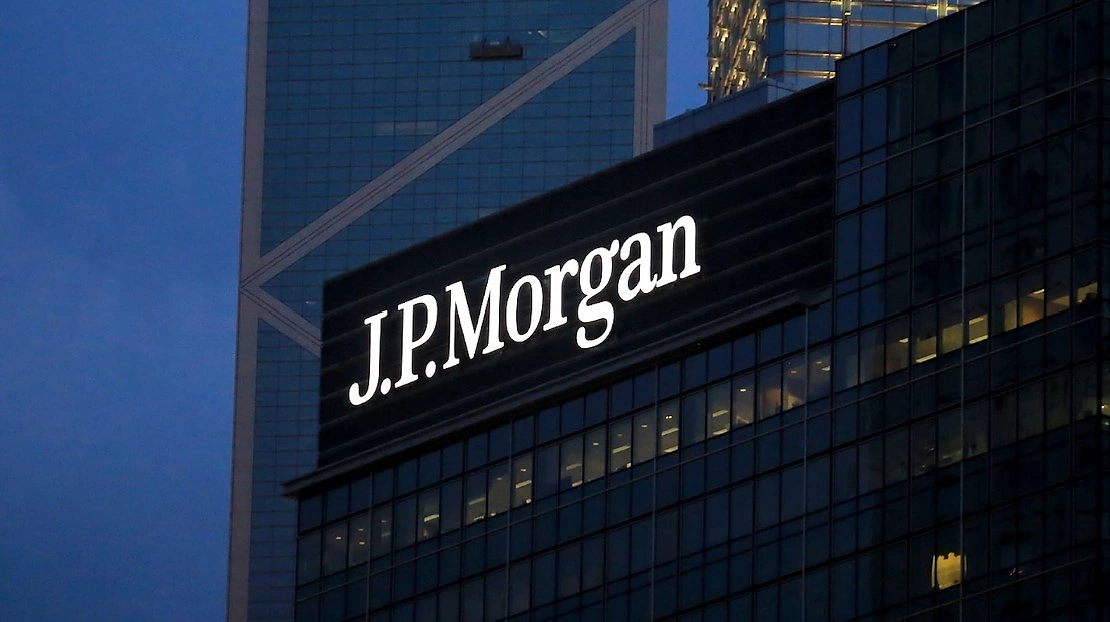
J.P. Morgan, one of the world’s largest investment banks, is at the forefront of blockchain innovation with its dedicated digital asset platform, Onyx. Launched to address inefficiencies in traditional finance, Onyx leverages blockchain and asset tokenization to move, settle, and service financial assets faster than traditional systems allow. Through Onyx, J.P. Morgan offers solutions for tokenizing a variety of assets, enabling faster, more secure transactions across foreign exchange (FX) and fixed-income markets.
The Onyx platform includes several products aimed at enhancing the utility and mobility of financial assets through blockchain. The Onyx Digital Assets (ODA) platform is central to this strategy, facilitating the tokenization of bonds and FX assets, which can be traded, borrowed, or lent on-chain with reduced counterparty risks and faster settlement. Onyx also provides the JPM Coin System, a cash-on-chain rail that allows instant, atomic settlement of transactions (where transaction is being exchanged simultaneously, preventing either of the parties from being out of pocket if the other side defaults), adding liquidity and utility for institutional clients.
How Onyx Works
Onyx enables the on-chain trading of tokenized assets, significantly reducing the need for intermediaries. When an institution trades tokenized bonds or FX assets on the Onyx Digital Assets platform, the transaction settles in real-time, ensuring immediate liquidity for clients. This setup also includes a Tokenized Collateral Network, where clients can move collateral on-chain to secure financing needs more efficiently.
Key Offerings of Onyx by J.P. Morgan
-
Increased Asset Utility and Mobility: Onyx enables financial assets to be tokenized and moved with greater ease, increasing their utility across global markets.
-
Cash On-Chain: Through the JPM Coin System, clients can settle transactions instantly with on-chain cash, reducing delays common in traditional payments.
-
Network of Vetted Institutional Participants: Onyx’s ecosystem includes billions of dollars in transactions processed by approved institutional participants, ensuring security and integrity within the network.
-
Institutional-Grade Blockchain Infrastructure: Onyx provides a robust infrastructure for developing applications, featuring participant controls and integration with existing financial systems.
-
Business Services: The platform also supports the full lifecycle of financial assets, including reporting, billing, and collateral management.
By bringing assets on-chain, J.P. Morgan has drastically improved the efficiency of asset management, especially in FX and bond trading. The instant settlement enabled by Onyx Digital Assets and JPM Coin helps clients increase liquidity and streamline operations, while the Tokenized Collateral Network enhances the ability to move collateral quickly, freeing up assets for other financing opportunities.
This shift to tokenization not only offers J.P. Morgan’s clients better security and transparency but also underscores J.P. Morgan’s commitment to leveraging blockchain to redefine the traditional financial infrastructure. Onyx's goal is to prioritize speed, efficiency, and global accessibility for finance.
Potential Future Use Cases
Let's look at some potential future use cases for tokenized assets beyond financial instruments and currencies. Tokenization can be applied in many areas, opening up new possibilities for transparency, efficiency, and participation across diverse fields. Governance and environmental sustainability are just a few examples explored below.
Tokenized Voting System
Organizations can use tokenization to create secure voting systems that ensure transparency and integrity in governance processes, whether for corporate decisions or community initiatives allowing everyone to participate.
Imagine your own digital token that represents your right to vote on whether a company should launch a new product / initiative. When it’s time to vote, you simply click a button on your app to cast your vote. The difference is that the system using tokens will be secure and transparent, everyone can see that your vote was counted, and there’s no way of cheating or having a manipulated scenario. This way,even small investors can have a say in big decisions and ensure the process is fairer, and more inclusive.
Tokenized Carbon Credit
Organizations can use tokenization to facilitate carbon credit trading, creating a transparent and efficient marketplace for buying and selling emissions allowances. This process allows companies to offset their carbon footprints while promoting environmental sustainability.
Imagine a company that reduces its carbon emissions and earns carbon credits. By tokenizing these credits, they can easily sell them on a digital platform where it translates to additional revenue for businesses that are reducing its carbon emissions, allowing other businesses to purchase them to meet their own sustainability goals. Which creates a new market for carbon credits but also increases demand for green initiatives.
For example, Climate Impact X (CIX), a joint venture involving DBS Group, Standard Chartered Bank, Temasek, and SGX, aims to establish an ecosystem for carbon trading in Singapore. CIX plans to create a carbon exchange that facilitates the sale of high-quality carbon credits through standardized contracts. This initiative will enable the pooling of credits from multiple projects that meet quality requirements, providing greater price transparency and making it easier for small and medium-sized enterprises (SMEs) to access curated natural climate solutions tailored to their sustainability challenges.
Conclusion: The Future of Finance Through Tokenization
Banks and fintech players like Visa are not just experimenting with tokenization—they are investing heavily in this technology because it promises to transform the way assets are traded, managed, and settled. Tokenization brings efficiency, security, and global liquidity to financial markets, paving the way for the wider adoption of blockchain and cryptocurrency. The integration of traditional finance with blockchain technology is a pivotal moment in the journey toward widespread crypto adoption.
As more financial institutions embrace tokenization, the benefits will become more apparent: lower costs, faster transactions, and increased accessibility. This is a financial revolution, and institutions like Visa, DBS, and J.P. Morgan are just some that are leading the charge.
As more financial institutions embrace tokenization, the benefits will become increasingly apparent: lower costs, faster transactions, and enhanced accessibility. This is a financial revolution, and institutions like Visa, DBS, and J.P. Morgan are leading the charge.
To emphasize the significance of this shift, consider the insights of Caitlin Long, founder and CEO of Custodia Bank. She states, “Every bank CEO knows this technology is coming, and if they’re not planning for it now, they’re already behind. Watch what they do, not what they say.” This perspective highlights the urgency for financial institutions to adapt to tokenization and blockchain technology proactively.
As we move forward, it is clear that tokenization will play a crucial role in shaping the future of finance. The ongoing developments in this space promise not only to enhance operational efficiencies but also to democratize access to investment opportunities for a broader range of individuals.









 Or check it out in the app stores